Sustaining alliance requires treating security and investment as shared strategic gains, observers say
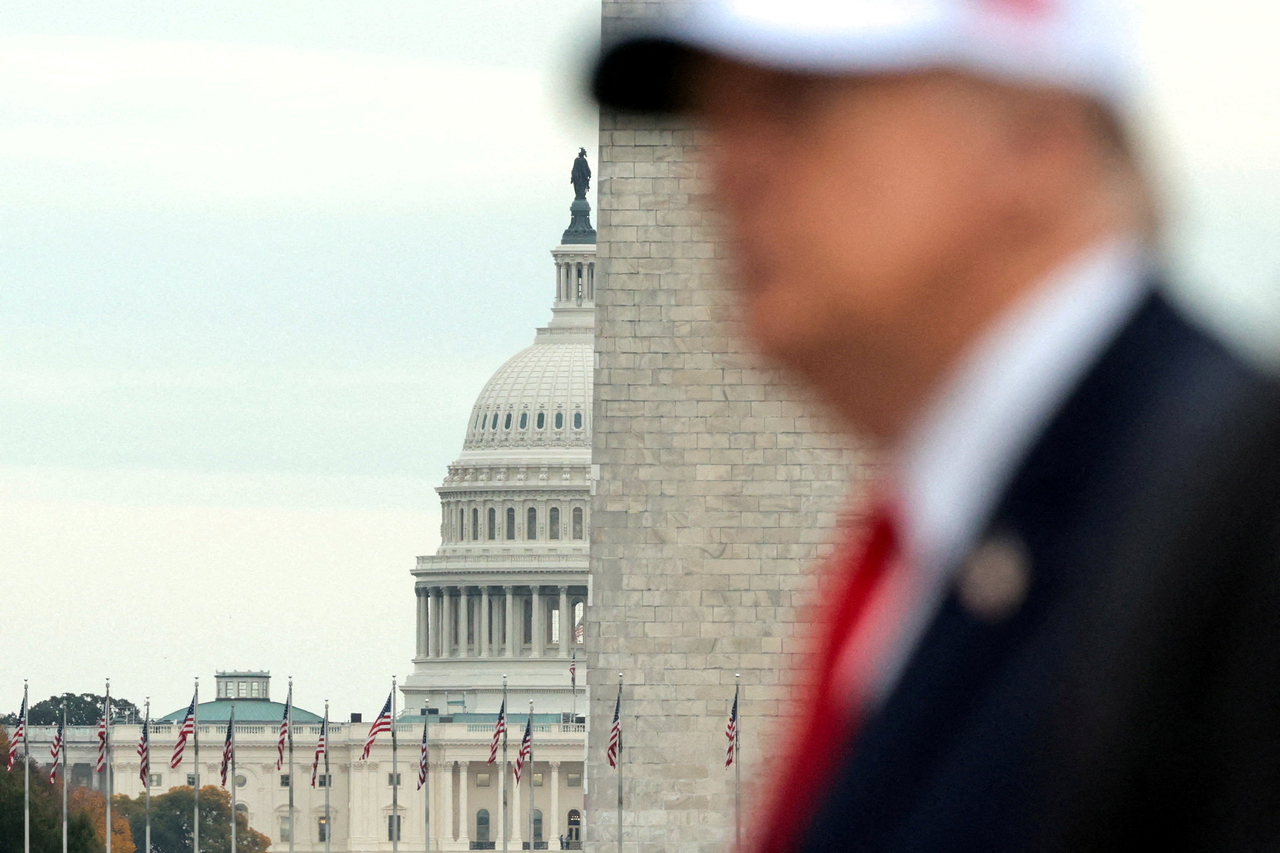
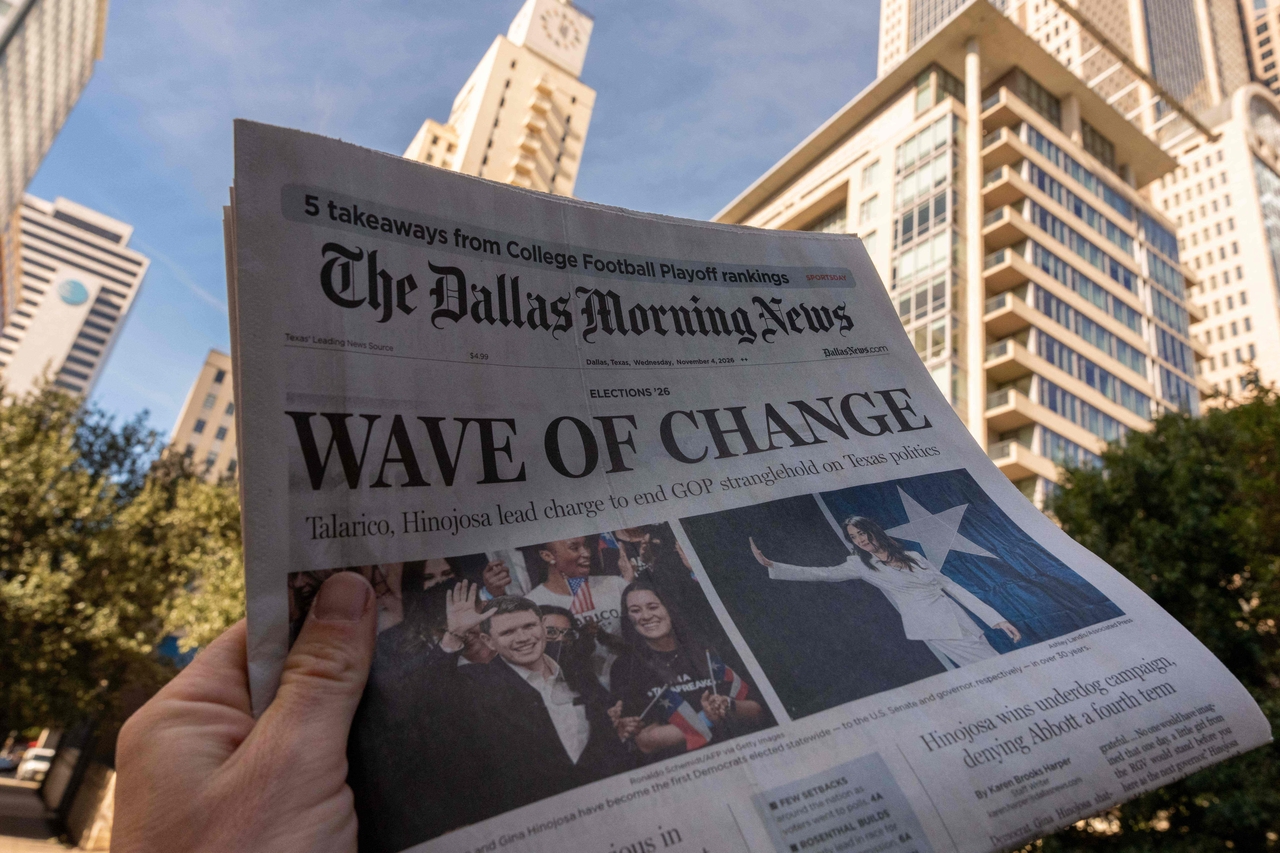
South Korea’s sweeping deal with US President Donald Trump was already under strain, with investment delays holding back progress on nuclear cooperation. Now, the Democrats’ midterm landslide has introduced another complication for Seoul: a divided Washington that could make both sides of the deal harder to deliver.
The November 2025 joint fact sheet brought together $350 billion in South Korean investment, tariff concessions, US backing for nuclear-powered submarines and a path toward civilian uranium enrichment and spent-fuel reprocessing.
Although the commitments are not legally conditional on one another, their implementation has become intertwined in practice. However, Seoul’s presidential National Security Office has acknowledged that delays in investment projects have held up discussions on security cooperation, which have effectively stalled since the allies’ first meeting on the matter in early June.
“Korea appears headed for two more years of particularly difficult diplomacy with the United States,” Chung Duck-koo, founder and chairman of the North-East Asia Research Foundation, said Friday at a roundtable organized by the independent think tank in Seoul.
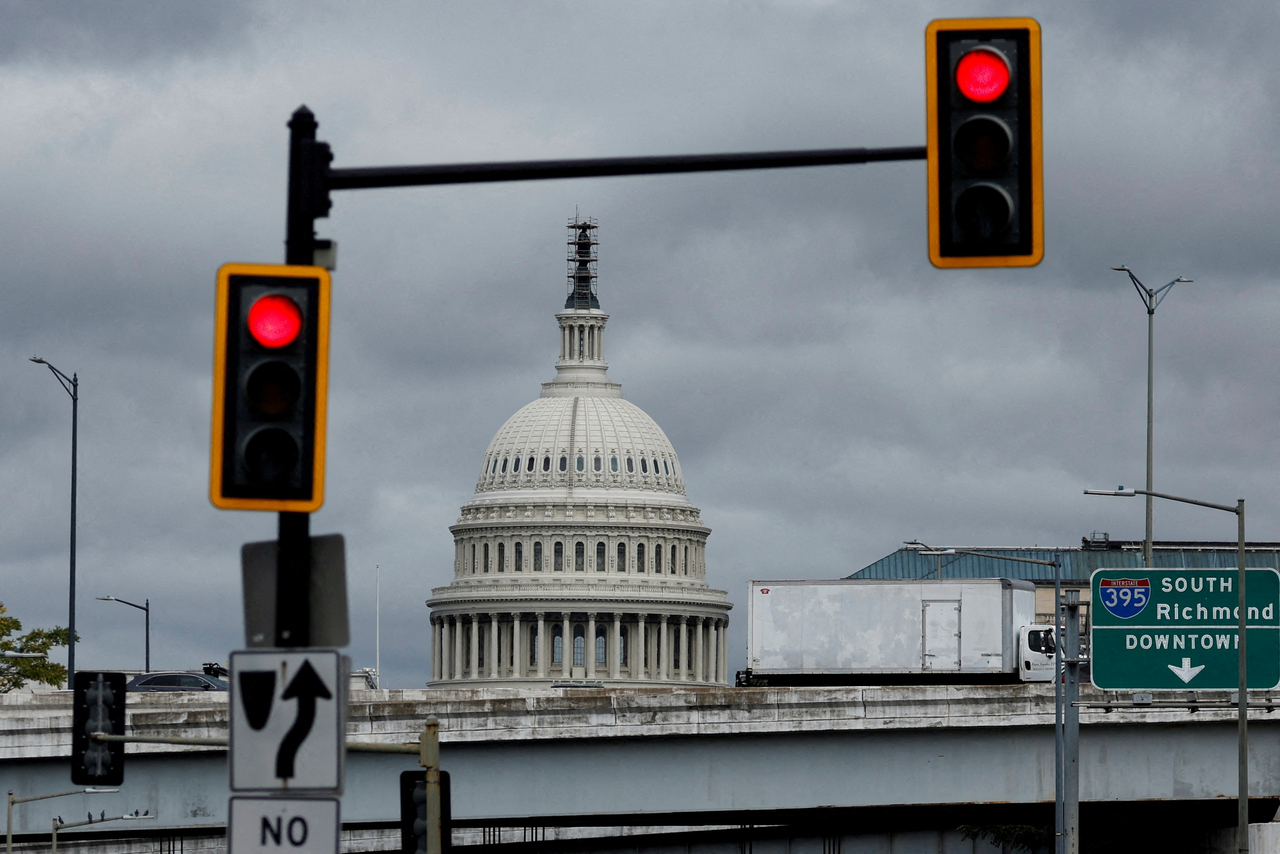
Seoul must now navigate two centers of power in Washington: the Trump White House that negotiated the joint fact sheet and an incoming Democratic-controlled US Congress whose scrutiny could further complicate its implementation. The risk is a cycle of delays that could leave both sides of the agreement harder to fulfill.
“We previously dealt with a single center of power — the Trump administration and a Republican-controlled Congress. Now we have to deal with two centers of power in Washington,” Cho Hyun-dong, a former South Korean ambassador to the US, said at the roundtable.
“Diplomatically, there may be more challenges for us than opportunities,” Cho, who serves as a chair professor at Hankuk University of Foreign Studies in Seoul, added.
Cho noted that implementation of several bilateral commitments, particularly the investment arrangements outlined in last year’s joint fact sheet, has already been proving difficult.
“If the Trump administration loses strength and congressional oversight grows stronger, the implementation could become more difficult and take longer,” he said.
Yet a weakened Trump does not necessarily mean a more restrained one. His broad authority over foreign policy leaves room for unpredictable diplomatic moves even as his political influence at home diminishes.
“Trump is Trump, so even if Congress passes into Democratic hands, there is concern that he may continue pursuing unilateral foreign and dialogue policies,” Cho said.
Cho underlined that “this could be described as a kind of diplomatic adventurism.”
“In the short term, before the Democratic-controlled Congress formally takes office on Jan. 3 next year — that is, before the end of this year — we do not know what kind of adventurous moves he might make,” Cho said. “These are things we cannot easily predict, but we need to prepare for them.”
Cho further added: “And will he stop afterward? He will continue.”
Congress can exercise oversight through legislation, appropriations and investigations, but the president retains substantial authority over foreign policy.
“Congress has limited powers in foreign policy, so it may not be easy to restrain him. But Democrats have other ways of checking him.”
Fine print on nuclear cooperation
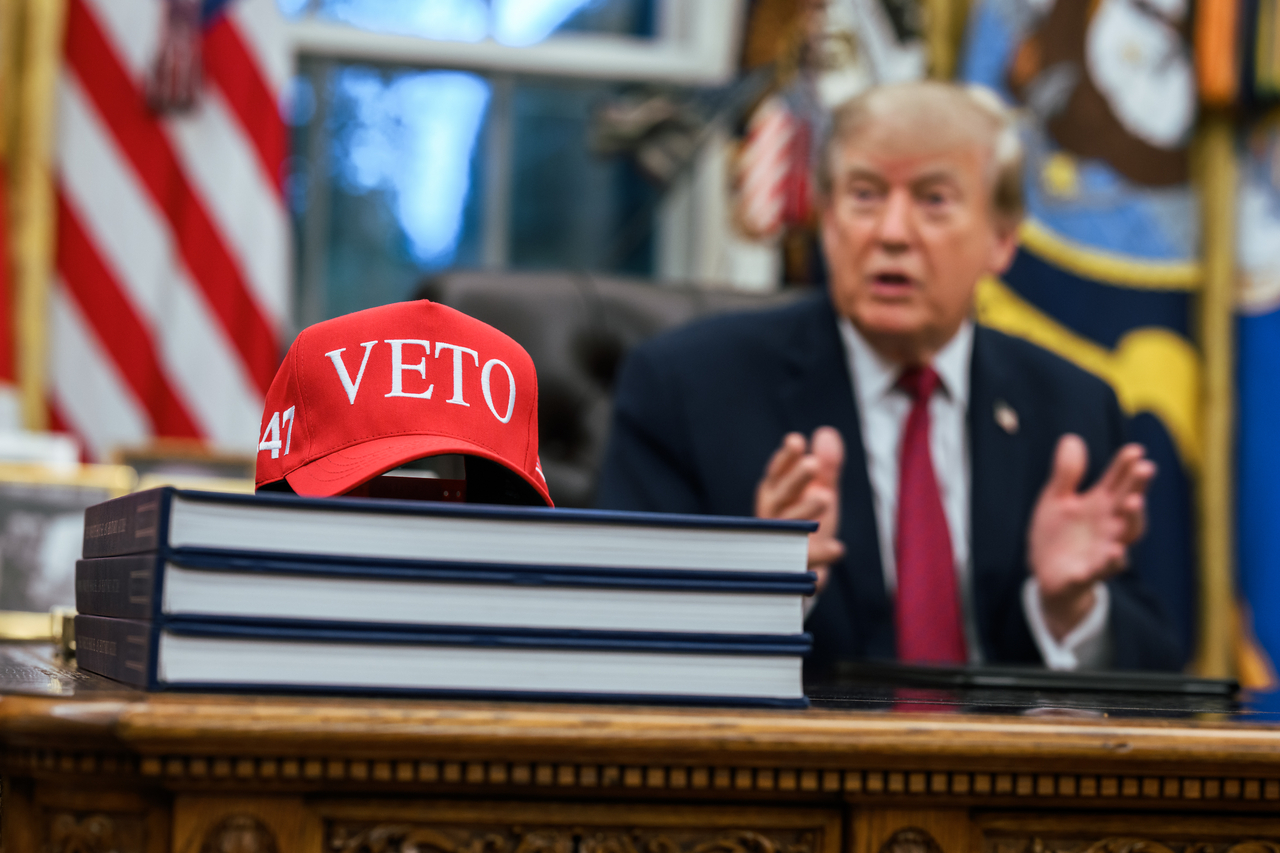
The gap between Washington’s political promises and its ability to deliver them may be widest in nuclear cooperation.
Shin Kak-soo, a former South Korean ambassador to Japan and vice chairperson of the NEAR Foundation, described civilian nuclear fuel-cycle rights and nuclear-powered submarines as key benefits Seoul sought from the massive US-bound investment under their joint fact sheet.
“In return for our contributions to the US in trade and investment, what we are seeking is, in fact, uranium enrichment, reprocessing and nuclear-powered submarines,” Shin said.
Lee Sang-hyun, a senior researcher at the Sejong Institute in Seoul, warned that Democrats’ long-standing emphasis on nuclear nonproliferation could complicate implementation.
“Democrats in Congress take a strong position on nuclear nonproliferation, so I expect US-Korean nuclear cooperation and nuclear-powered submarines could be delayed considerably longer than anticipated,” Lee said.
Although the November 2025 joint fact sheet stipulates US approval of South Korea’s plan to build nuclear-powered attack submarines, it leaves nuclear fuel sourcing for further discussion. Civilian uranium enrichment and spent-fuel reprocessing also remain subject to US legal requirements.
In a March report, the Congressional Research Service noted that US cooperation in developing South Korean nuclear-powered submarines, depending on its scope, “could require a new bilateral nuclear cooperation agreement under the Atomic Energy Act.”
Such an agreement would be subject to congressional review, allowing lawmakers to scrutinize proposed transfers of nuclear technology and material and potentially block the arrangement through a joint resolution of disapproval. That would make Trump’s political backing only the first step toward securing the cooperation Seoul wants.
In January, four Democratic senators urged Trump to maintain strict nonproliferation safeguards and sought details on any nuclear technology transfer, submarine construction or nuclear-fuel arrangement.
Congress eyes tighter OPCON oversight
The transfer of wartime operational control presents another challenge, as increased congressional scrutiny could complicate Seoul’s efforts to complete the transition before President Lee Jae Myung’s term ends in 2030.
“Congress will strengthen its monitoring of this issue as well,” Cho said, citing the 2026 National Defense Authorization Act as an example. “If the transfer does not proceed under the conditions agreed upon by Korea and the US, there is also a possibility that Congress could step in.”
Under Section 1268 of the law, Congress restricted funding for any wartime operational control transfer that deviates from the bilaterally agreed plan until 60 days after the defense secretary submits the required certification and assessment to Congress.
A 2027 defense bill advanced by the Senate Armed Services Committee in June, months before the midterms, would go further, extending the funding restrictions to any completed OPCON transfer and requiring independent military risk assessments and progress reports to Congress every 90 days through 2030. The bill has yet to pass the full Senate.
Echoing the sentiment, Choi Byung-hyuk, a former deputy commander of the South Korea-US Combined Forces Command, warned that the shifting balance of power in Congress could make negotiations more difficult.
Choi pointed to Washington’s strategic competition with China and North Korea’s expanding nuclear arsenal as reasons the transition could not simply follow the timetable set by the Lee administration.
“With the balance of seats in Congress changing, the current (Korean) government may face greater difficulties negotiating with the US on the matter,” said Choi, who is also an adjunct senior fellow at the Asan Institute for Policy Studies.
Despite the 2026 NDAA’s restrictions on funding for OPCON transfers that deviate from the bilateral plan, congressional oversight had carried little weight while Republicans controlled both chambers.
“But with Democrats set to become the majority, Congress could get directly involved and exercise control over the progress of the matter and the related funding,” Choi said. “That could impose considerable constraints and affect how things proceed.”
More hurdles for US-bound investment
Yet a more assertive Congress could offer Seoul something that Trump's trade policy has often lacked: predictability.
Lee Jae-min, a law professor at Seoul National University, said congressional oversight could make room for more measured tariff adjustments and give South Korea a greater voice in trade negotiations.
“While the broad framework may not change much, tariff policy and various investment arrangements between the two countries could move in a more rational and predictable direction, or toward an environment in which South Korea’s voice is heard more attentively,” Lee said.
Lee called that prospect “a positive signal,” particularly for adjustments to tariff policy.
Investment, however, presented a more difficult prospect. Lee warned that the increased scrutiny could further complicate an already cumbersome decision-making process.
“It was difficult even before, but once a Democratic-led Congress takes office, there is a greater likelihood of extensive inquiries, investigations and perhaps hearings,” Lee said.
“Investment in the US could end up taking more time and costing more because of these institutional obstacles, regardless of Korea’s intentions or America’s wishes,” he added.
The result, Lee suggested, could be a collision between Trump's pressure for faster investment and the legal constraints that limit Seoul's ability to respond.
“Even if President Trump becomes a lame duck, if he continues to exercise strong presidential powers and Korea’s investment in the United States falls far behind schedule, there is a strong possibility that he will resort to various powerful pressure tactics — and we would not be able to keep up,” Lee said. “Finding a compromise and working out how to move forward will be a major challenge.”
Lee added: “In any case, it seems that various uncertainties will persist over the next two years. They will be two difficult years.”
Kim Byung-yeon, an economist at Seoul National University, questioned whether Seoul had a coherent, governmentwide strategy for managing the alliance.
“In foreign and security policy, direction is crucial. But from what I can see, there is no clear direction,” Kim said. “We need an integrated approach involving not only foreign affairs and security agencies, but economic ministries as well.”
Kim further noted that the two countries needed to assess defense, technology and investment cooperation as a whole, weighing their combined effects on deterrence, industrial competitiveness, jobs and supply-chain resilience rather than treating each negotiation in isolation.
“Through this, we should maximize the combined benefits of security and economic cooperation,” Kim said.
“If security cooperation is seen merely as a financial burden for Korea, or investment in the US is evaluated solely on its short-term commercial returns, it will be difficult to sustain support for the alliance.”
dagyumji@heraldcorp.com